Upgrading a bare concrete floor can transform the look and function of your garage, basement, patio, or commercial space. If you've started considering epoxy flooring for your property, you probably have questions about how the process works, how long it takes, and what you'll need to do once the crew packs up. Knowing what lies ahead helps you plan around the project and get the most from your investment. Below, we walk through each stage, from the first look at your concrete to the long-term care that keeps your new surface looking sharp.
Assessing Your Space and Goals
Every successful project starts with a close look at the existing slab. A professional installer will inspect your concrete for cracks, pitting, moisture problems, and old coatings or sealers that could interfere with adhesion. They'll also ask how you plan to use the space. A garage that houses two vehicles and a workbench has different demands than a basement rec room or a busy retail floor, and those details shape the products and techniques your installer recommends.
This stage is also the right time to ask questions. Find out what kind of coating system the company uses, what the warranty covers, and how long the work will take. A reputable contractor will give you clear answers and a written estimate so you know exactly what you're paying for. Discussing your expectations up front helps you avoid surprises later and ensures your epoxy flooring fits both your style and the way you actually use the room.
Preparing the Concrete Surface
Surface preparation is the most important part of the entire job, even though you won't see it once the project is done. Epoxy needs a clean, porous surface to form a strong bond, and smooth or contaminated concrete simply won't hold a coating for long. Professionals typically use diamond grinding equipment to open up the pores of the slab and remove dirt, oil stains, paint, and other residue.
After grinding, the crew repairs cracks, chips, and divots so the finished surface looks smooth and even. They'll vacuum away dust thoroughly before any coating goes down. In our experience, preparation often accounts for nearly half of the total labor on a project, and that time pays off in a stronger, longer-lasting finish. Skipping or rushing this step is a common reason DIY coatings peel, bubble, or flake prematurely. That's why working with an experienced team matters so much for epoxy flooring that holds up to daily use.
Choosing Your Colors, Finishes, and Custom Details
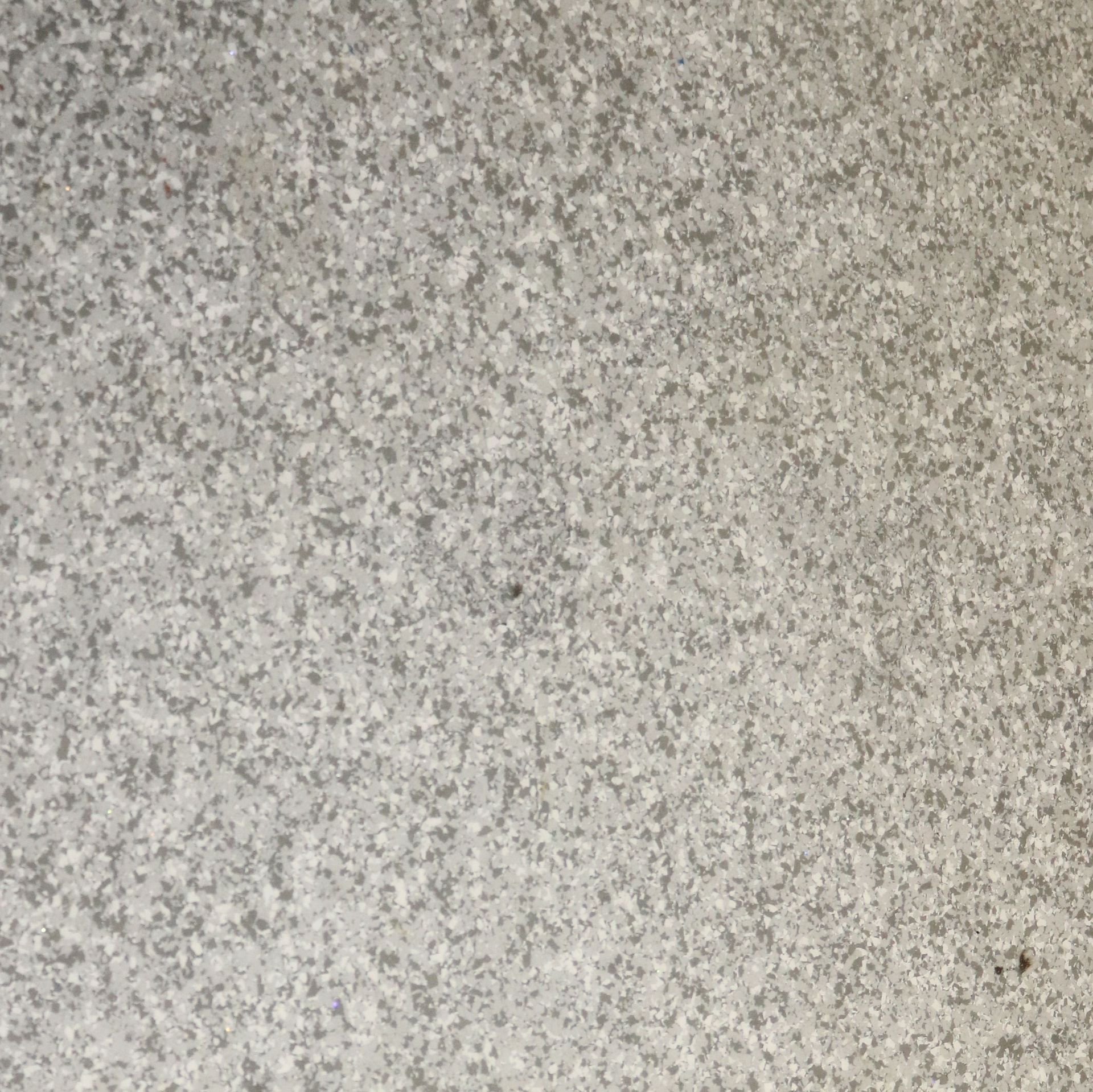
Here's where the project gets fun. Epoxy systems come in a wide range of solid colors, decorative flake blends, and metallic finishes that create a marbled, high-gloss look. Flake systems are popular for garages because they help hide dust and add texture underfoot, while metallic finishes make a striking statement in basements, showrooms, and other living or commercial spaces.
You can also personalize your floor with custom touches such as decals, logos, or pinstriping. These details turn a functional surface into a true reflection of your personality or brand. When comparing options, think about practical concerns too. Lighter colors brighten dim spaces, and a slip-resistant additive can improve traction in areas that may get wet. Your installer can show you samples and photos of past projects to help you visualize the finished result. Settling on your epoxy flooring design before work begins keeps the installation moving smoothly and ensures you love the final look.
Applying the Coating System
Once the surface is ready and you've settled on a design, the installation begins. Most systems involve multiple layers, starting with a base coat that penetrates and bonds with the concrete. If you've chosen a flake finish, the crew broadcasts the flakes into the wet base coat for full or partial coverage. Metallic systems call for a different technique, with installers manipulating the coating to create movement and depth.
The final step is a clear topcoat that seals everything in and resists chemicals, abrasion, and UV exposure. Quality topcoats also help prevent the yellowing that cheaper products often show over time, especially in spaces with natural sunlight. In our experience, most residential garage projects wrap up within one to two days of work, depending on the size of the space and the condition of the concrete. During installation, keep pets, kids, and foot traffic away from the work area. Professional crews work efficiently and cleanly, giving your epoxy flooring a smooth, uniform finish without drips, roller marks, or thin spots.
Allowing Enough Time to Cure
Patience pays off after the final coat goes down. Even though the surface may look dry within hours, the coating needs time to harden fully and reach its maximum strength. According to HomeGuide, you'll need to wait 16 to 24 hours before walking on an epoxy floor and two to seven days before parking a vehicle on it, no matter which type of coating you choose.
Temperature and humidity can affect cure times as well. Cooler conditions generally slow the process, so your installer may recommend scheduling the job during milder weather or adjusting the timeline accordingly. Plan ahead by finding another spot for your car, moving stored items out of the space, and mapping out a temporary path around the area if needed. Rushing back onto your new epoxy flooring too soon can leave tire marks, scuffs, or soft spots that compromise its durability. A little patience now protects your investment for years to come.
Maintaining Your Floor for the Long Haul
One of the biggest advantages of an epoxy-coated surface is how easy it is to care for. The seamless, nonporous finish resists stains from oil, road salt, and household spills, so most messes wipe right up. For routine cleaning, sweep or dust mop regularly to remove grit, and use a soft mop with warm water and a mild, pH-neutral cleaner when needed. Avoid harsh chemicals, citrus-based cleaners, and abrasive scrubbing pads, which can dull the gloss over time.
A few simple habits go a long way. Place mats under kickstands and heavy equipment, use furniture pads in finished basements, and clean up spills promptly, especially automotive fluids. In winter, rinse away the salt and slush you track in from the road before it has a chance to build up. With proper care, quality epoxy flooring can keep its good looks and reliable performance for many years.
Knowing what to expect makes the entire process less stressful and far more rewarding. From the initial assessment and detailed prep work to the final cure and everyday cleaning, each stage plays a role in how well your floor performs over time. A beautiful finish depends on what happens beneath the surface, so the quality of the materials and the care behind the installation matter just as much as the color you choose. Working with experienced professionals ensures your epoxy flooring receives the thorough preparation, premium products, and skilled application it deserves.
If you're ready to transform your garage, basement, patio, or commercial space, contact us at Trophy Class Coatings LLC. As an Epoxy Depot Certified company, we use premium, non-yellowing materials and back our work with a lifetime warranty that guarantees our products will bond to your concrete. We can also add custom decals or pinstriping to make your space truly one-of-a-kind, and we offer a 10% discount to first responders and veterans. Call today to schedule your free estimate and see how our epoxy flooring services can upgrade your property!